
Forest Park, IL, is a compact and established suburb just west of Chicago, set along the CTA Blue Line corridor. Its bungalows, two-flats, and post-war single-family homes often sit on narrow lots beneath a mature tree canopy. Limited side-yard access, dense plantings, and aging root systems can make tree care more complex for local property owners. Our network of tree care professionals in Chicago knows how to evaluate structural tree risk, address roots near sidewalks and foundations, and clear storm-damaged limbs so residential properties stay safe and accessible throughout the year.
That is why so many Forest Park property owners rely on Arbor Tree Care to help keep their landscapes maintained in every season.
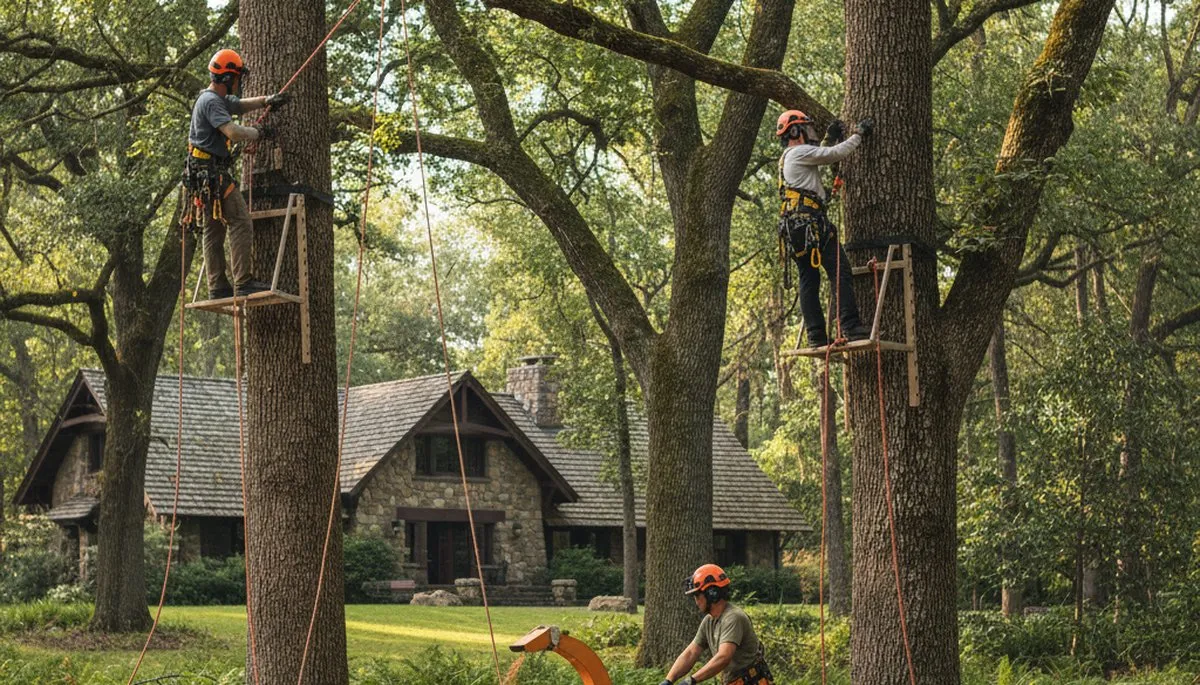
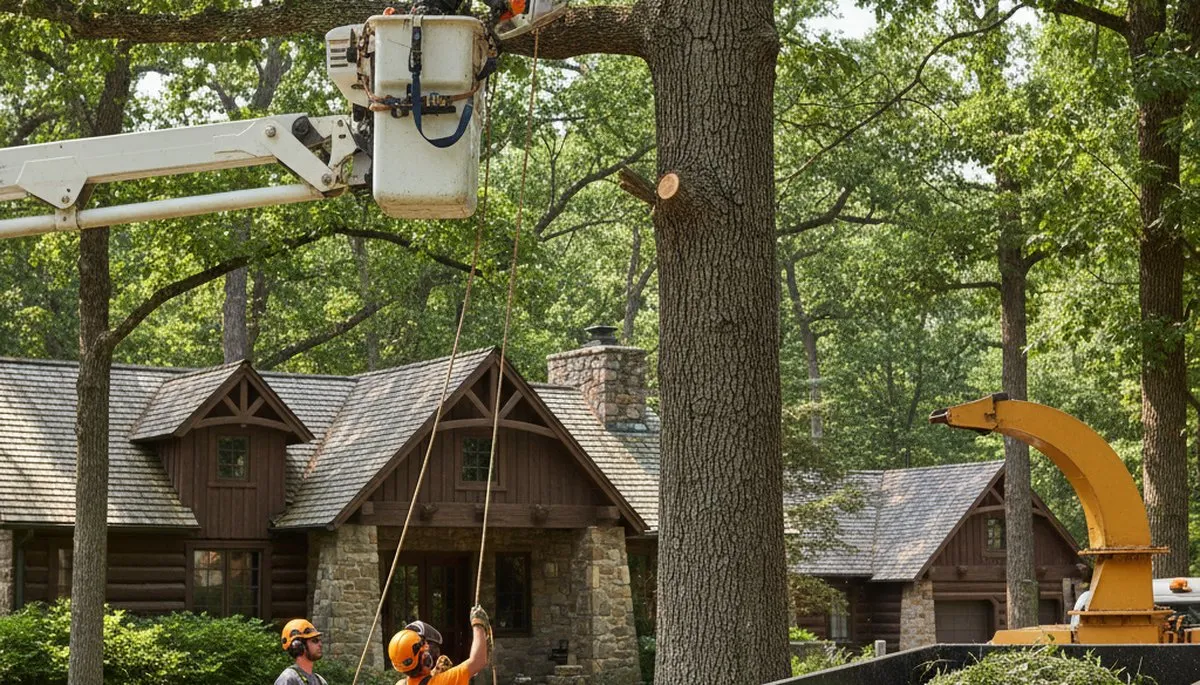

Prefer to Talk to An Expert?
(872) 395-8880
Why Forest Park Property Owners Trust Local Professionals to Get It Right
Because they work in the neighborhood, these professionals understand the area’s dense canopy, tight lot layouts, and older sidewalk systems. Every job is completed with equipment and methods suited to Forest Park properties, including solutions for root movement, storm stress, and disease pressure common in this part of Chicago.
From professional tree pruning solutions along Madison Street near the Altenheim campus to hazardous limb removal on residential blocks off Circle Avenue, each project is handled carefully with long-term property maintenance in mind.
If you care about keeping your landscape in good shape, local contractors can help your trees stay healthy, stable, and safe in Forest Park.
Our Tree-Service Services
in Chicago, IL, Include
A Service Area Designed to Fit Your Forest Park Neighborhood
The narrow lots and limited rear-yard access in Forest Park call for tree care that is tailored, not generic. Local professionals adjust their approach to fit each residential or commercial property.
It makes no difference whether the work is on a brick bungalow in the Harlem Avenue corridor, a two-flat near the Des Plaines Avenue business district, or a post-war ranch near Forest Park’s Proviso Township boundary.
From Tree Trimming and Tree Pruning to Stump Removal and Root Protection, each service is shaped around the neighborhood’s character and the needs of the property.
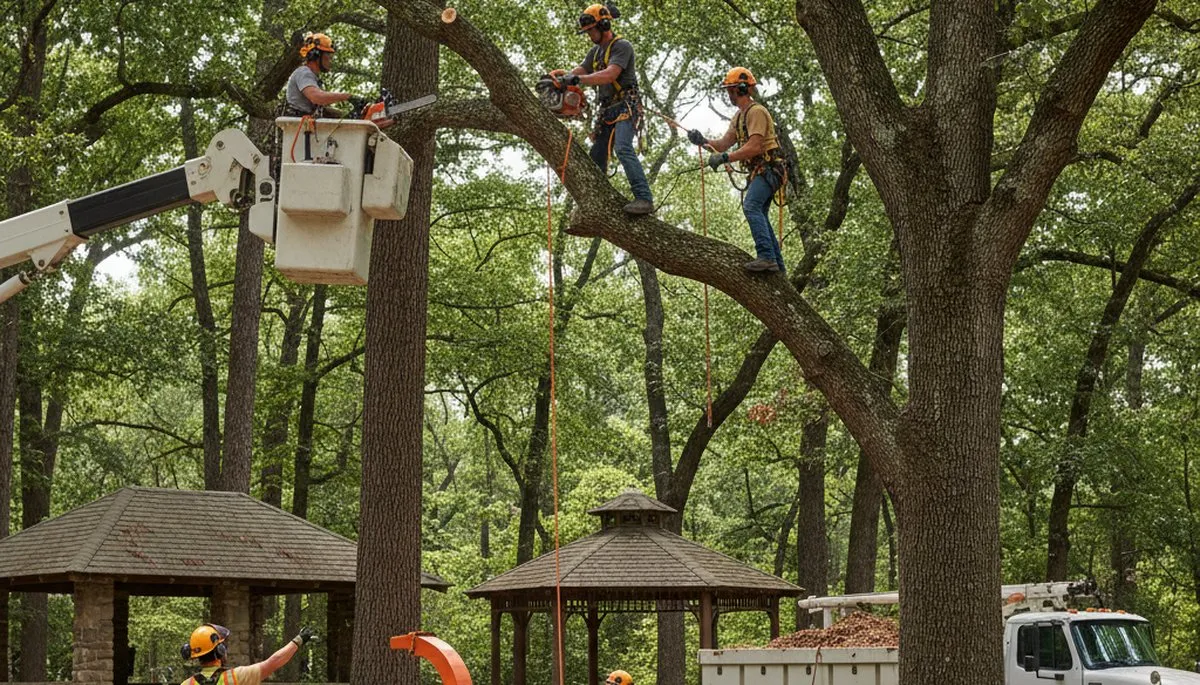
Forest Park’s Dense Urban Canopy, Shaped by History
Forest Park is a fully developed inner-ring suburb with most housing built in the early to mid-twentieth century. Over time, that growth created a layered urban forest along residential streets. Today, aging root systems, crowded canopy structure, and compacted soil all affect how tree work needs to be performed here.
Mature Tree Root Intrusion Near Foundations and Sidewalks
Many Forest Park properties, especially near Hannah Avenue and Marengo Avenue, have mature oaks, elms, and silver maples with root systems that have extended far beyond the tree’s drip line. That growth can lift sidewalks and put pressure on foundations, creating access concerns and structural safety risks for homeowners and pedestrians.
Local professionals address root intrusion with targeted root pruning, physical root barriers, and coordinated reliable root protection services, helping reduce long-term access problems while protecting hardscape investments.
Canopy Overcrowding on Narrow Residential Lots
The neighborhood’s mature street trees and private plantings provide shade and curb appeal, but they can also create competition within the canopy and lead to co-dominant stems. Crossing branches and weak unions may fail without warning, especially during summer storms.
Professionals manage these conditions with crown thinning, selective limb removal, and structural pruning, all adjusted for utility clearance needs and neighboring property lines.
Dutch Elm Disease and Oak Wilt Pressure
Years of canopy aging and limited proactive care have made many Forest Park trees more vulnerable to fungal diseases such as Dutch elm disease and oak wilt, which can spread through root grafts and beetle activity in closely planted urban settings.
Trusted pros help manage these risks with targeted Tree Disease Treatments, soil injections, and the removal of infected trees, supporting long-term canopy health and lowering spread risk to nearby properties.
Storm Damage From Lake Michigan Weather Systems
Weather systems moving through the Chicago area bring strong winds and ice loads to Forest Park each spring and winter, often causing limb failures, uprooted trees, and blocked driveways across the village.
Experienced crews respond quickly with aerial lifts, rigging systems, and debris removal to restore safe access after storms, even when fallen material is trapped in narrow side yards or alley corridors.
Limited Equipment Access on Compact Lots and Alley-Served Properties
Narrow side yards and rear lots served by alleys are common in Forest Park, which can make it difficult to position full-size cranes or chipper trucks without advance planning.
Local pros rely on compact aerial lifts and hand-carry rigging gear, with a focus on protecting property and containing debris while delivering tree services that fit a wide range of village lot layouts.

Kick off your tree service project today!

Tree Services in Forest Park, IL: Care for Every Season
From scheduled maintenance to urgent storm cleanup, local pros help keep Forest Park properties healthy, protected, and easy to access all year long:
Routine Tree Trimming and Pruning in Forest Park, IL
- Canopy clearance along Madison Street corridors: Overhanging limbs near the CTA Blue Line right-of-way are trimmed to maintain utility clearance and pedestrian safety on one of Forest Park’s main commercial streets.
- Structural pruning for bungalow-district oaks: Co-dominant stems and weak lateral branches on mature oaks in the Hannah Avenue and Marengo Avenue neighborhoods are corrected before storm season to lower failure risk.
- Crown thinning for silver maples near the Des Plaines River greenway: Selective thinning reduces wind resistance and improves light flow without sacrificing the shade these trees provide to nearby homes.
- Deadwood removal from aging elms: Forest Park’s older elm population along Harlem Avenue-adjacent blocks often develops deadwood that should be removed regularly to prevent falling debris over driveways and walkways.
- Seasonal Tree Trimming scheduling for two-flat properties: Multi-unit homes with shared lot lines benefit from coordinated trimming cycles that control canopy encroachment on adjacent structures. Nearby communities, including those seeking tree trimming services in Oak Park, IL, face similar canopy management needs along the western Chicago corridor.
Plan routine trimming before spring storm season to help reduce structural risk across your Forest Park property.
Tree Removal Services in Forest Park, IL
- Hazardous tree removal near residential foundations: Trees with structural problems that lean toward bungalow foundations along Circle Avenue and nearby blocks are evaluated and removed using rigging methods designed for tight clearances.
- Dead tree removal from alley-adjacent rear yards: Dead trees in Forest Park’s alley-served back yards are removed with compact equipment to help avoid damage to garages and fencing.
- Storm-damaged tree removal after wind events: Major limb failures and full uproots after Lake Michigan weather systems are cleared quickly to restore driveway and sidewalk access across the village.
- Tree Removal of invasive species near the Des Plaines River corridor: Invasive tree-of-heaven and cottonwood trees spreading from the river greenway onto private property are identified and removed before their roots interfere with drainage infrastructure.
- Diseased elm and ash removal: Trees confirmed with Dutch elm disease or emerald ash borer infestation are removed according to local ordinance requirements to help prevent further spread through the neighborhood canopy.
Removing dead or compromised trees in a timely way helps protect structures, sidewalks, and neighboring properties from avoidable storm damage.
Stump Grinding and Cleanup in Forest Park, IL
- Stump grinding in narrow side yards: Stumps left behind after removals in Forest Park’s tight side yards are ground below grade with compact equipment that fits through standard gate openings.
- Stump Removal from parkway strips along Harlem Avenue: Parkway stumps near the village right-of-way are ground flush to support safe foot traffic and future replanting planning with village forestry programs.
- Root flare grinding near sidewalk panels: Exposed roots and leftover root flares that have shifted concrete panels are ground down as part of sidewalk restoration work throughout the neighborhood.
- Post-removal debris cleanup and soil backfill: After grinding, crews clear wood chips, fill the void with topsoil, and level the surface to match the surrounding lawn, which matters especially in Forest Park’s closely spaced front yards.
- Stump treatment for disease-infected specimens: Stumps from Dutch elm disease or oak wilt removals are treated to limit fungal regrowth and reduce the chance of pathogen spread through remaining root systems. Property owners in nearby communities, including those using tree removal contractors in Berwyn, IL, deal with similar stump care needs across the region’s older neighborhoods.
Complete stump removal returns usable yard space and helps eliminate tripping hazards and pest harborage sites left by unground stumps in densely planted residential lots.
Emergency Tree Services in Forest Park, IL
- 24-hour storm response for fallen trees blocking driveways and alleys: After major wind events, crews move fast to clear fallen trees and large limbs from Forest Park driveways, alleys, and public sidewalks so access is restored.
- Emergency Storm Damage assessment and hazard limb removal: Partially failed limbs hanging after ice storms or high winds are evaluated and removed before they can fall on structures, vehicles, or pedestrians.
- Emergency Emergency Tree Services for trees leaning toward structures: Trees that have shifted or uprooted toward homes, garages, or fences after saturated soils are stabilized or removed on an emergency basis to prevent contact with structures.
- Post-storm debris clearing from tight rear yards: Forest Park’s alley-served rear lots often trap debris between garages and fences, so hand-carry removal is sometimes needed when equipment access is limited.
- Utility clearance response for limbs on power lines: Limbs that have fallen onto or are pressing against overhead utility lines are handled in coordination with utility protocols to reduce fire and outage risk across the village’s residential grid.
Fast emergency response helps limit secondary damage and keeps Forest Park properties safe and accessible in the hours and days after major storms.